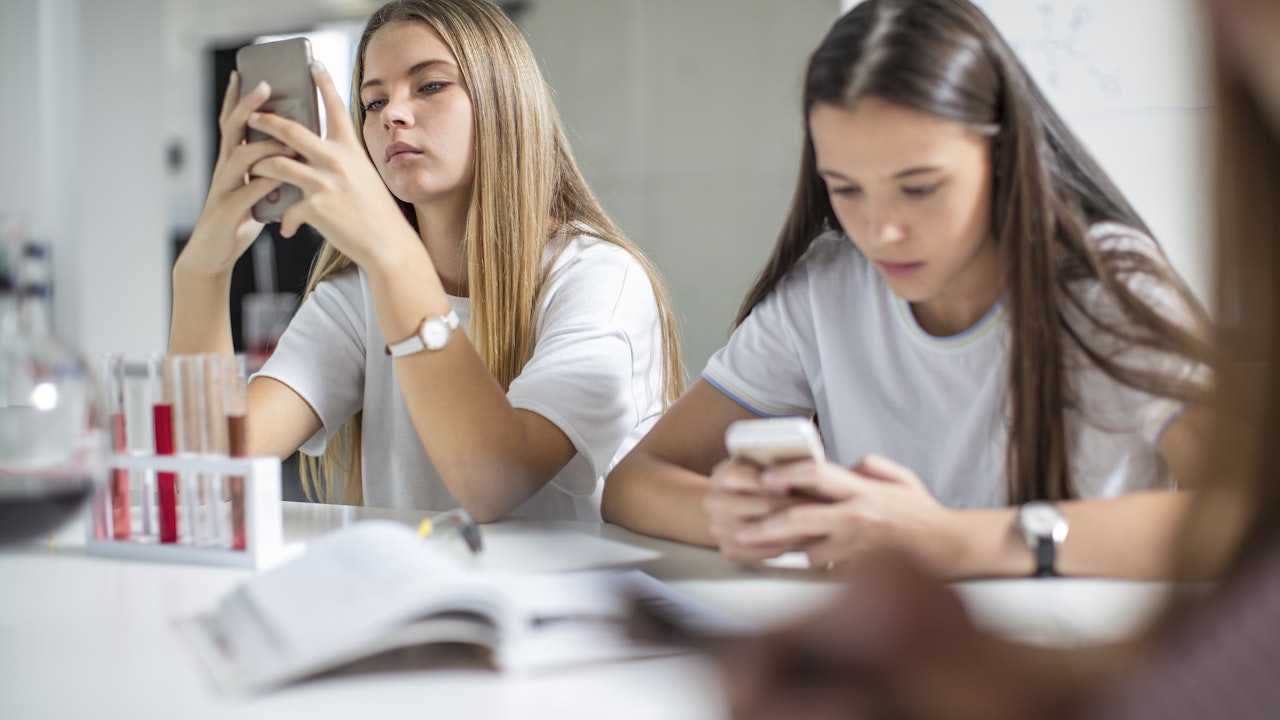
Nowadays, smartphones have become an essential tool in our daily lives. They have transformed the way we work, study, and communicate. They help us stay connected with people around the world.
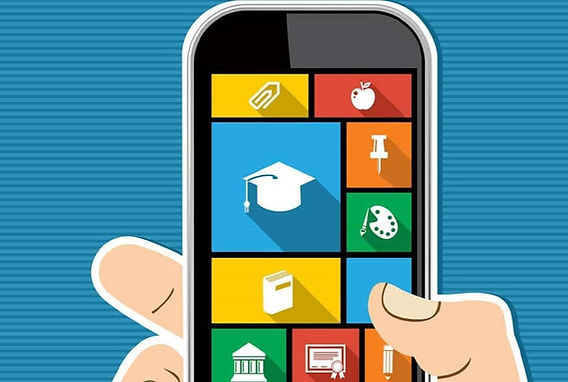
For instance, thanks to video calls, it is possible to talk to family members who live in other countries. They have also made education more accessible, allowing many people to attend virtual classes, take online courses, and learn from home. Furthermore, smartphones allow us to perform various tasks in one place—we can use banking apps, order food, schedule medical appointments, or even work remotely. In emergencies, they can be life-saving, as a single call can request help or report an accident. In the field of health, numerous apps help monitor sleep, encourage exercise, and support meditation. Many users have improved their habits thanks to tools that motivate them to walk, eat better, or quit smoking. When used wisely, smartphones are among the most helpful tools of modern life.
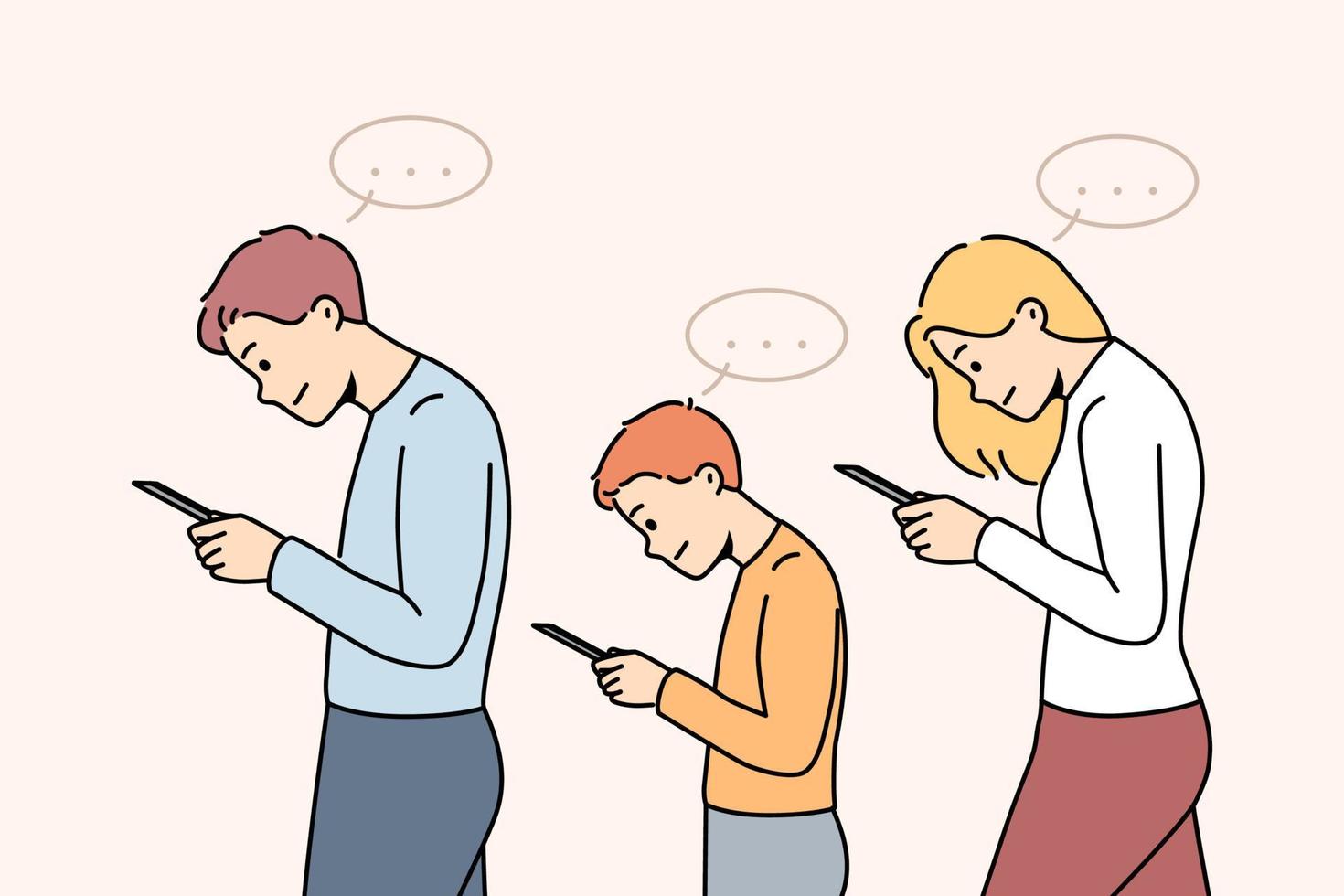
However, their excessive use has caused several problems. Many people have become distracted and overly dependent on constantly checking their phones, which has led to poor academic performance, sleep disorders, and even symptoms of anxiety and depression. For example, some students spend hours on social media instead of studying for exams, and others have trouble sleeping because they use their phones late at night. Social interactions have also been affected; many people now prefer texting to face-to-face conversations, which has weakened their social skills. In some cases, relationships have been damaged due to phone overuse. Family gatherings or social events are no longer the same because people often focus more on their screens than on the present moment, and this dependence has affected individuals both physically and emotionally.

In my opinion, smartphones are one of the greatest inventions of our time, but only when used responsibly. We should not rely on them for everything. It’s important to set limits, use apps that help monitor screen time, and make time for outdoor activities. If people learned to disconnect from time to time, they might feel more relaxed and enjoy the world around them more. We should strive to live in the moment and value real-life relationships—not just virtual ones. In conclusion, smartphones have undoubtedly changed the world for the better, but their misuse can lead to harmful consequences. The key lies in balance. Being connected doesn't mean being dependent. If we learn to use this technology mindfully, we can enjoy all its benefits while leading a healthier and more fulfilling life.
Thank you.